Entry · Ref 0PK1PI-J
A Caretaker's Guide to Picking Top-Tier Dementia Care Communities
- Posted
- 2026-11-25
- Last amended
- 2026-11-25
- Account
- @shaneefry117
Business Name: BeeHive Homes of Alamogordo
Address: 1106 San Cristo St, Alamogordo, NM 88310
Phone: (575) 215-3900
BeeHive Homes of Alamogordo
Beehive Homes assisted living care is ideal for those who value their independence but require help with some of the activities of daily living. Residents enjoy 24-hour support, private bedrooms with baths, medication monitoring, home-cooked meals, housekeeping and laundry services, social activities and outings, and daily physical and mental exercise opportunities. Beehive Homes memory care services accommodates the growing number of seniors affected by memory loss and dementia. Beehive Homes offers respite (short-term) care for your loved one should the need arise. Whether help is needed after a surgery or illness, for vacation coverage, or just a break from the routine, respite care provides you peace of mind for any length of stay.
1106 San Cristo St, Alamogordo, NM 88310
Business Hours
Families often reach the decision to look for dementia care after a string of sleep deprived nights, repeated falls, medication mix-ups, or one close call that shakes everybody awake. I have strolled households through this option in medical facility conference rooms, at kitchen tables, and on curbs outside tour visits when emotions ran high. An excellent community does more than keep a loved one safe. It protects personhood, supports the family's endurance, and adapts as requirements develop. The challenge is discriminating in between polished marketing and the day-to-day truth behind the front door.
This guide distills what matters most when evaluating dementia care, likewise called memory care, and how to discriminate in between communities that talk a great game and those that provide consistent, gentle care. Expect useful details, questions to ask, warning signs, and the compromises that genuine families navigate.
What "dementia care" means in practice
Dementia is not one medical diagnosis. Alzheimer's illness accounts for roughly 60 to 70 percent of cases, but vascular, Lewy body, frontotemporal, Parkinson's-associated, and combined dementias behave differently. A community that really focuses on dementia care understands these distinctions and changes care strategies accordingly.
In practice, that appears like this: Staff who understand that somebody with Lewy body dementia may have visual hallucinations and unpredictable awareness, that a person with frontotemporal dementia may be more youthful with language or behavior modifications however undamaged memory, and that vascular dementia often progresses stepwise. Activities shift with the surface of each condition. Medication plans show level of sensitivity to antipsychotics in Lewy body illness. Interaction methods change when language centers are hit. Ask communities to describe how they adjust for different dementias. The specificity of their examples is telling.
Memory care, as a service line within senior care, generally suggests a protected environment staffed and set for cognitive impairment. It is various from conventional assisted living, which might provide cueing and suggestions, but not the structure and safety features needed for mid to later on stages. Some continuing care retirement communities house memory care within a wider school, which can be ideal for couples with various care requirements. Respite care is short-term assistance within these settings, typically for a week to a month, and can double as a test drive.
The 3 things that figure out every day life: individuals, process, and place
Families frequently concentrate on decoration, and it is reasonable. Fresh paint and a bistro look reassuring. In the first 90 days, though, the quality of people, process, and location will form your loved one's days more than any chandelier.
People suggests the group at the bedside. It includes direct care staff, nurses, activity directors, dining personnel, house cleaning, and management. Process methods how the community delivers care: assessments, care preparation, training, communication, reaction to habits, and escalation when health changes. Location implies the constructed environment: design, lighting, sound, outdoor gain access to, and safety design that lowers threat without making residents feel infantilized.
In a well-run neighborhood, these 3 enhance one another. A magnificently created space without consistent staffing will frustrate citizens. Warm caretakers without clear processes will be reactive. Tight processes can not conquer a complicated layout that sparks exits or agitation.
Staffing: ratios, stability, and skill
Families ask about staff ratios, and communities frequently give a state minimum or a rosy daytime number. The truth is more nuanced. Strong programs personnel more heavily throughout peak hours and anticipate patterns. Look beyond the heading ratio and request for the distribution by shift and area. A significant day-to-evening ratio in many neighborhoods is someplace around one care partner for five to seven homeowners during the day, tightening up to one for six to 8 in the evening. Overnight support frequently stretches thinner, often one to 10 or more, which can work if homeowners sleep and if mobile action is quick. Numbers vary by state guidelines and acuity.
Long period matters more than any static ratio. If half the caregivers have actually been there under six months, anticipate inconsistent routines and less familiarity with residents' cues. I keep a simple metric: ask 3 different caregivers, not managers, for how long they have worked there and what keeps them. Their answers expose the culture. Also request the yearly turnover percentage for direct care staff and nurses. A figure under 35 percent is strong in this sector. If turnover tracks sharply greater, press for causes and remedies.
Skill comes from training and training, not simply orientation modules. Evidence-based methods like the Positive Technique to Care, habilitation therapy, and music or motion treatments need to show up in daily practice, not just wall posters. Ask who trains new hires, how many hours go to dementia-specific skills beyond basic orientation, and how typically refreshers occur. Monthly or a minimum of quarterly reinforcement, consisting of scenario-based drills for behaviors and de-escalation, signals commitment.
Clinical capabilities and how they intensify care
Medical needs do not pause for memory loss. Neighborhoods differ widely in their capacity to handle typical situations: urinary system infections that provide as sudden confusion, dehydration, diabetic changes, heart failure, and discomfort that appears as agitation. Facilities with part-time or full-time nurses on site are better positioned to capture early decline. In some states, memory care runs with restricted nursing hours, depending on licensure. Validate hours, on-call structures, and who can examine and act on modifications in condition.
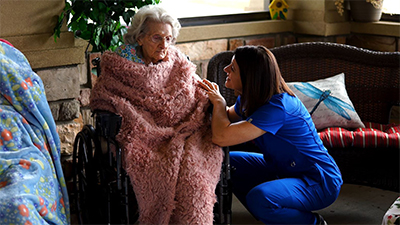
Medication management deserves a mindful appearance. Review how medications are stored, who gives them, and what documents system is utilized. Electronic medication administration records decrease errors if utilized regularly. Ask how the group handles missed doses or a resident who refuses medications. Gentle re-approach and timing changes are much better than instant chemical restraints.
Behavioral health support assisted living BeeHive Homes of Alamogordo separates excellent from great. A community that has relationships with geriatric psychiatrists or advanced practice suppliers who can speak with on-site or through telehealth avoids a great deal of unnecessary emergency room journeys. Similarly, a community that leans too rapidly on antipsychotics without nonpharmacologic interventions threats sedation and falls. What you wish to hear: stepwise plans that start with triggers, sensory convenience, and routine, then thoughtful medication trials when needed, with close monitoring and clear stop criteria if benefits do not outweigh risks.
Environment that supports orientation and dignity
Many memory care systems are protected, but secure should not indicate stifling. I look for smaller family clusters, ideally 12 to 18 citizens per area, connected to safe outdoor areas. Nature soothes, and regular daytime direct exposure assists with sleep-wake cycles. Corridors that loop back on themselves minimize dead ends and lower disappointment. Bathrooms noticeable from the bed decrease incontinence. Visual cues like memory boxes outside rooms and contrasting colors for floorings and handrails aid orientation.
Noise levels deserve attention. Overhead paging, clattering carts, and roaring tvs raise agitation. Visit during mealtime, when the acoustic profile is real. Lighting should avoid glare and extreme shifts. Change patterned carpets that can appear like holes to individuals with depth understanding changes. I once saw a resident's falls drop simply because a neighborhood switched a dark limit strip for a lighter one.
Safety features must be woven into the design so they do not feel punitive. Doorways can be camouflaged with murals, or exits can lead very first to a secured garden instead of a street. Wander management systems that utilize discreet wearables are much better accepted than loud alarms. The very best communities integrate in purposeful wayfinding so homeowners can walk without sensation trapped.
Routines, significant engagement, and the right type of activity
Activities are not filler in between meals. They are therapy when succeeded. Search for programs that follow the rhythm of the day and match cognitive and physical abilities. Morning often fits movement, light workout, or strolling groups to set tone and cravings. Late morning can hold little group work like baking, folding, or music that connects to long-term memory. Afternoons can be quieter: tactile stations, individually visits, hand massages, or spiritual care. Nights need to emphasize unwinding to prevent sundowning spikes.
Numbers alone do not inform the story. A calendar packed with 10 activities a day may simply be copy and paste. Enjoy a session. Are locals engaged, not just parked in a circle? Do staff change when someone is distressed or bored? Is language adult and considerate? A favorite minute of mine came in a kitchen area group where homeowners ready strawberries for shortcake. One gentleman who hardly ever joined anything sliced with deep focus, then narrated about picking berries with his grandmother. The activity director had actually selected something with strong sensory hints, integrated in success, and left room for memory.
Nutrition and dining that maintains choice
With dementia, appetite is susceptible to change. Familiarity, color contrast on plates, and finger foods can help. Good dining programs plan for smaller sized, more frequent meals when needed. They change textures for safe swallowing without stripping satisfaction. Household design, where possible, improves intake and social engagement. If you tour, ask to sample a meal. Taste it. See how staff cue and support without rushing. Look at hydration practices throughout the day, not simply at meals. A cart with flavored waters, soups, and teas moving two times daily can decrease urinary infections and hospitalizations.
Weight patterns are unbiased. Ask how the community tracks and responds to weight-loss. An affordable expectation is regular monthly weights, with an alert limit like five percent loss in one month or 10 percent in six months triggering a strategy that is documented and shown you.
Cost, contracts, and what takes place as requirements rise
Financial transparency sets expectations and avoids heartbreak. Rates typically appears in two kinds. Some communities use tiered care levels, where base rent covers housing and facilities, and care is priced in bands based on an evaluation. Others utilize a point system with itemized services. Either way, ask how often reassessments happen, who activates them, and just how much notification you receive before a cost increase. Preliminary quotes that look low can rise steeply by month three if the evaluation was positive or if the move unmasked requirements that family had actually been covering at home.
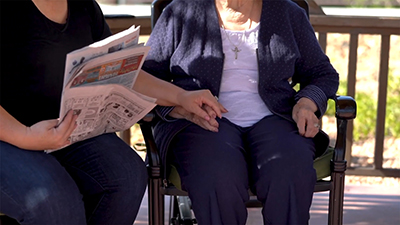
Medication management, incontinence materials, one-to-one assistance throughout habits, and transportation to appointments often carry extra fees. Nail care might be limited by guidelines for diabetics and routed to a podiatric doctor with different charges. Ask to see a sample monthly invoice with all typical add-ons so you can model finest and most likely scenarios.
Also comprehend the move-out requirements. Some memory care settings can not handle two-person transfers, feeding tubes, or complex wound care. Others can with hospice support. A community that sets out clear boundaries and a prepare for end-of-life care helps you avoid late-stage dislocation. There is no pity in limitations. The problem is surprise. If your loved one has a progressive condition with known complications, such as Lewy body dementia with parkinsonism, ask how the team adapts when walking declines or swallowing weakens.
Licensing, quality signals, and what regulators do not show
Licensing requirements vary by state, and memory care might be an unique designation within assisted living or a different license. Pull the most recent state survey reports. Do not be alarmed by any citation. Take a look at patterns and reaction time. Repetitive medication mistakes, hot water temperature level infractions, elopements, or infection control failures deserve analysis. Ask the administrator to walk you through restorative actions taken. The clarity and humility of that discussion will tell you whether you are hearing a script or a leader who owns the work.
Quality also shows in the mundane. Are supplies stocked or continuously brief? Do gloves and wipes sit within reach in resident rooms, or do personnel need to hunt? Are care strategies visible to those who need them, with present preferences noted, or are they concealed in binders nobody opens? Does the group use a daily huddle to expect who requires additional assistance based on last night's notes?
Family councils are another barometer. An operating council that meets routinely, shares minutes, and has management present however not dominating the program correlates with more responsive programs. If there is no council, ask if the community will help form one.
Using respite care and trial stays to your advantage
Respite care, a short-term supplied stay, is not just a break for family. It is an essential roadway test. A one to 4 week respite in a memory care setting can expose how your loved one reacts to routines, dining, and the environment. Take note of sleep throughout respite, not just daytime smiles. If nights improve, you have a win that anticipates sustainability for caregivers. If distress spikes regardless of competent assistance, you have valuable information to adjust the strategy or think about alternative settings.
Coordinate respite throughout a fairly steady duration rather than in the immediate after-effects of a hospitalization. Bring familiar clothing, bedding, and a few significant items. Supply a short bio, consisting of work history, family members, pastimes, likes and dislikes, and any non-negotiables that bring comfort or trigger distress. A one-page profile with a picture can alter how the team welcomes and engages your loved one on day one.
Questions that sort marketing from mastery
Use pointed, respectful questions. Request stories, not mottos. Experienced groups will respond to with specifics instead of drift to generic reassurances.
- Tell me about a recent resident who arrived with regular agitation. What non-drug methods did you try initially, what worked, and how did you know?
- How do you support citizens with Lewy body dementia who have upsetting hallucinations without overly sedating them?
- What is your day, evening, and over night staffing on this system, by role, and where do those staff physically spend their time?
- When did you last carry out a complete evacuation or fire drill on this floor, and what did you discover and change as a result?
- How do you include family in care planning, and what is your process for interacting modifications in condition or fees?
Red flags that signal future trouble
No neighborhood is best, however recurring patterns anticipate risk. A couple of stand out in practice.
- You tour at 3 p.m. And see locals dropped in wheelchairs facing a television, with one activity posted on the calendar that is not happening.
- The nurse can not access the electronic medication record during your visit or defers every scientific concern to a manager who is off-site.
- Doors are heavily alarmed without alternative safe exits or outdoor space, and staff dissuade walking due to the fact that it is "hazardous," even for steady walkers.
- Leadership prevents offering specific turnover information or explains away citations without describing restorative steps.
- Every question about behavior refers initially to "as required" medications, with few examples of sensory, regular, or environmental adjustments.
Planning the visit: what to observe on-site
Arrive ten minutes early and wait in the lobby to see interactions. Linger in hallways. Step into the dining-room throughout a meal and ask to see a personal room and a shared room, even if you plan to spend for private. Smell matters. Periodic odors take place. A consistent smell suggests staffing or procedure gaps. Look for charts or discreet signage that indicate personalized methods, such as an image schedule, a soft things for soothing, or chosen music playlists at the bedside. Examine whether call lights call for minutes without reaction or whether personnel respond rapidly and calmly.
I bring a pocket test for management depth. If the executive director is off the floor, does the nurse or med tech confidently describe an occurrence report procedure? If the activity director is out sick, does someone action in with a modified plan for the afternoon instead of canceling everything?
How to match community type to your situation
Couples where one partner needs memory care and the other remains independent benefit from campuses with numerous levels of senior care. Daily distance decreases regret and preserves routines like breakfast together, even if living spaces differ. Solo older grownups with complicated medical conditions may do much better in smaller sized, scientifically focused memory care units with strong nurse presence, especially if hospital readmissions have been regular. Younger-onset dementia, often under age 65, can be a bad fit in extremely peaceful, frail populations. Search for programs that bend engagement to higher energy and include physical outlets.
Costs connect to both features and scientific capability. A modest setting with exceptional processes may outperform a luxury structure with thin staffing. Pay for the team, not the chandelier. Households often begin in assisted living with add-on support to stretch dollars. This can operate in early stage, especially with strong family participation. Reassess when roaming emerges, when exits or finances stress, or when unpaid caregiving reaches a breaking point. The point is not to hold out for a legendary best time but to time the move to decrease crisis and maximize adaptation.
Partnering with hospice and palliative care without offering up
When dementia reaches advanced phases, hospice and palliative care deal layers of assistance that sit beside memory care instead of change it. Hospice adds a nurse, home health aide, social worker, and pastor who visit frequently. They concentrate on convenience, symptom control, and caretaker support. Families sometimes fear that hospice triggers loss of existing services, however in many memory care settings hospice merely enhances what exists. Staff typically welcome the additional medical eyes.
An excellent memory care team will raise hospice or palliative choices when markers like reoccurring infections, weight reduction, or deepening immobility appear. If the group never raises these subjects, you can. Convenience and self-respect do not imply quiting. They mean moving goals to what matters most at that stage.
Cultural fit and communication style
Technical proficiency is necessary, however culture shapes every interaction. Does the language on the flooring reward adults as adults, even in innovative dementia? Are nicknames and terms of endearment utilized with consent, not as a default? Are families treated as partners or as insects? When conflict takes place, because it will, does the community welcome conversation and repair or set rigid limitations? I determine culture by how staff speak about homeowners when they think no one is listening. Happiness and perseverance carry in tone.
Ask how the group communicates daily. Some neighborhoods utilize safe and secure apps for updates and pictures. Others count on weekly e-mails or regular monthly care conferences. The medium is less important than consistency and responsiveness. Clarify how immediate problems are handled after hours. If you live far away, negotiate how frequently you get structured updates and from whom.
Practical checklist for the automobile trip home
After you tour 2 or three neighborhoods, feelings and information blur. The following brief checklist assists arrange impressions while they are fresh.
- Did personnel use the resident's name and treat them like an adult during interactions you observed, consisting of care tasks?
- How did the dining-room feel at peak time, and would you be content consuming there three times a day?
- Could the neighborhood with complete confidence go over different dementias and explain particular adjustments for your loved one's profile?
- What did you learn more about turnover, training frequency, and over night protection that was concrete rather than generic?
- If expenses increased by the normal varieties for added care in your state, would the community still be sustainable for a minimum of 18 to 24 months?
A brief story about getting it right
Years ago, I dealt with 2 sis taking care of their mother, a retired curator with blended Alzheimer's and vascular illness. She enjoyed birds, loathed loud Televisions, and ended up being distressed around unfamiliar guys. The very first neighborhood they visited was gleaming, with a barista and marble lobby. On the system, the tv ran constantly, and personnel depend on music through speakers. She lasted 3 weeks, sleeping improperly and choosing at meals.
They moved her to a quieter memory care with a courtyard garden and bird feeders noticeable from most spaces. The activity director kept a small box of notecards and a stamp due to the fact that the mother utilized to compose letters throughout quiet times. They swapped recorded music for a volunteer who played gentle guitar in the afternoons. The nurse changed evening medications from 8 p.m. To 6 p.m. Since the mother's sundowning started early. Nothing flashy, simply attunement. She remained there 2 years, acquired 4 pounds, and died on hospice with both children at her bedside, holding hands and telling stories about the library's annual banned books week. The distinction was not spending plan, it was healthy and follow-through.
Final thoughts for steady decision-making
You are not just purchasing a space. You are hiring a team to stroll next to your household through an illness that takes and takes. Choose the people and procedures that will hold stable when you are worn out, when your loved one is frightened, and when health turns. Usage respite care as a showing ground. Visit at hard hours, not simply tour time. Request specifics, then verify them with your eyes and ears. Make area for grief and relief, due to the fact that both will arrive.
Most of all, keep in mind that great dementia care is possible. I have actually seen homeowners who had actually stopped consuming begin to delight in meals once again when someone sat and sang an old hymn. I have actually viewed a former mechanic relax when handed a basic toolkit and welcomed to assist fix a loose cabinet knob. The ideal memory care community does not remove loss, but it builds a life where the individual you love can still be known.
BeeHive Homes of Alamogordo provides assisted living care
BeeHive Homes of Alamogordo provides memory care services
BeeHive Homes of Alamogordo provides respite care services
BeeHive Homes of Alamogordo supports assistance with bathing and grooming
BeeHive Homes of Alamogordo offers private bedrooms with private bathrooms
BeeHive Homes of Alamogordo provides medication monitoring and documentation
BeeHive Homes of Alamogordo serves dietitian-approved meals
BeeHive Homes of Alamogordo provides housekeeping services
BeeHive Homes of Alamogordo provides laundry services
BeeHive Homes of Alamogordo offers community dining and social engagement activities
BeeHive Homes of Alamogordo features life enrichment activities
BeeHive Homes of Alamogordo supports personal care assistance during meals and daily routines
BeeHive Homes of Alamogordo promotes frequent physical and mental exercise opportunities
BeeHive Homes of Alamogordo provides a home-like residential environment
BeeHive Homes of Alamogordo creates customized care plans as residents’ needs change
BeeHive Homes of Alamogordo assesses individual resident care needs
BeeHive Homes of Alamogordo accepts private pay and long-term care insurance
BeeHive Homes of Alamogordo assists qualified veterans with Aid and Attendance benefits
BeeHive Homes of Alamogordo encourages meaningful resident-to-staff relationships
BeeHive Homes of Alamogordo delivers compassionate, attentive senior care focused on dignity and comfort
BeeHive Homes of Alamogordo has a phone number of (575) 215-3900
BeeHive Homes of Alamogordo has an address of 1106 San Cristo St, Alamogordo, NM 88310
BeeHive Homes of Alamogordo has a website https://beehivehomes.com/locations/alamogordo/
BeeHive Homes of Alamogordo has Google Maps listing https://maps.app.goo.gl/ADjJ88EoCTadK58t5
BeeHive Homes of Alamogordo has Instagram page https://www.instagram.com/beehivealamogordo/
BeeHive Homes of Alamogordo has an YouTube page https://www.youtube.com/@WelcomeHomeBeeHiveHomes
BeeHive Homes of Alamogordo won Top Assisted Living Homes 2025
BeeHive Homes of Alamogordo earned Best Customer Service Award 2024
BeeHive Homes of Alamogordo placed 1st for Senior Living Communities 2025
People Also Ask about BeeHive Homes of Alamogordo
What is BeeHive Homes of Alamogordo Living monthly room rate?
The rate depends on the level of care that is needed. We do a pre-admission evaluation for each resident to determine the level of care needed. The monthly rate is based on this evaluation. There are no hidden costs or fees
Can residents stay in BeeHive Homes until the end of their life?
Usually yes. There are exceptions, such as when there are safety issues with the resident, or they need 24 hour skilled nursing services
Do we have a nurse on staff?
No, but each BeeHive Home has a consulting Nurse available 24 – 7. if nursing services are needed, a doctor can order home health to come into the home
What are BeeHive Homes’ visiting hours?
Visiting hours are adjusted to accommodate the families and the resident’s needs… just not too early or too late
Do we have couple’s rooms available?
Yes, each home has rooms designed to accommodate couples. Please ask about the availability of these rooms
Where is BeeHive Homes of Alamogordo located?
BeeHive Homes of Alamogordo is conveniently located at 1106 San Cristo St, Alamogordo, NM 88310. You can easily find directions on Google Maps or call at (575) 215-3900 Monday through Sunday 9:00am to 5:00pm
How can I contact BeeHive Homes of Alamogordo?
You can contact BeeHive Homes of Alamogordo by phone at: (575) 215-3900, visit their website at https://beehivehomes.com/locations/alamogordo/ or connect on social media via Instagram Facebook or YouTube
You might take a short drive to the New Mexico Museum of Space History. New Mexico Museum of Space History offers fascinating exhibits that create an engaging outing for assisted living, memory care, senior care, elderly care, and respite care residents.